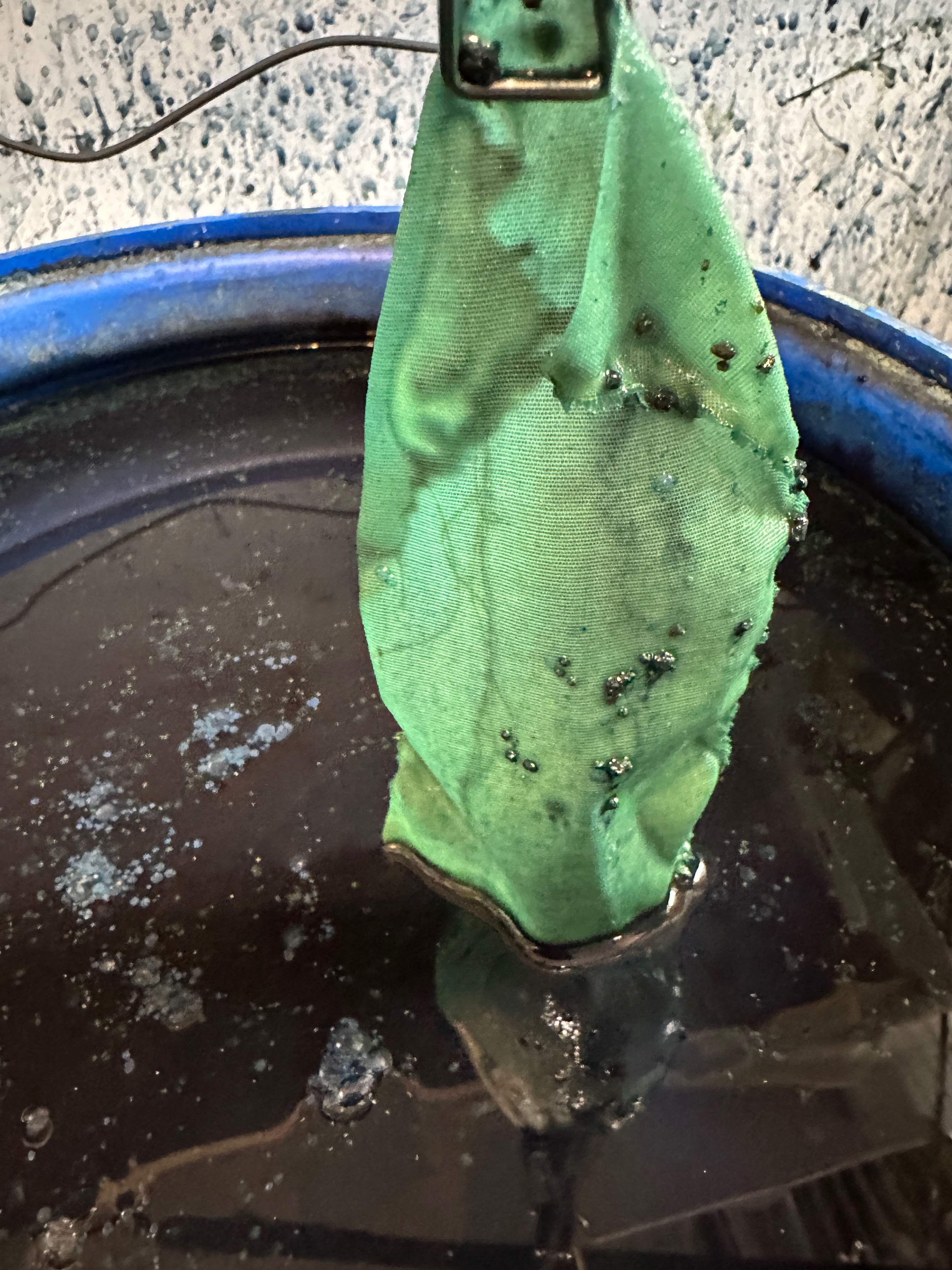
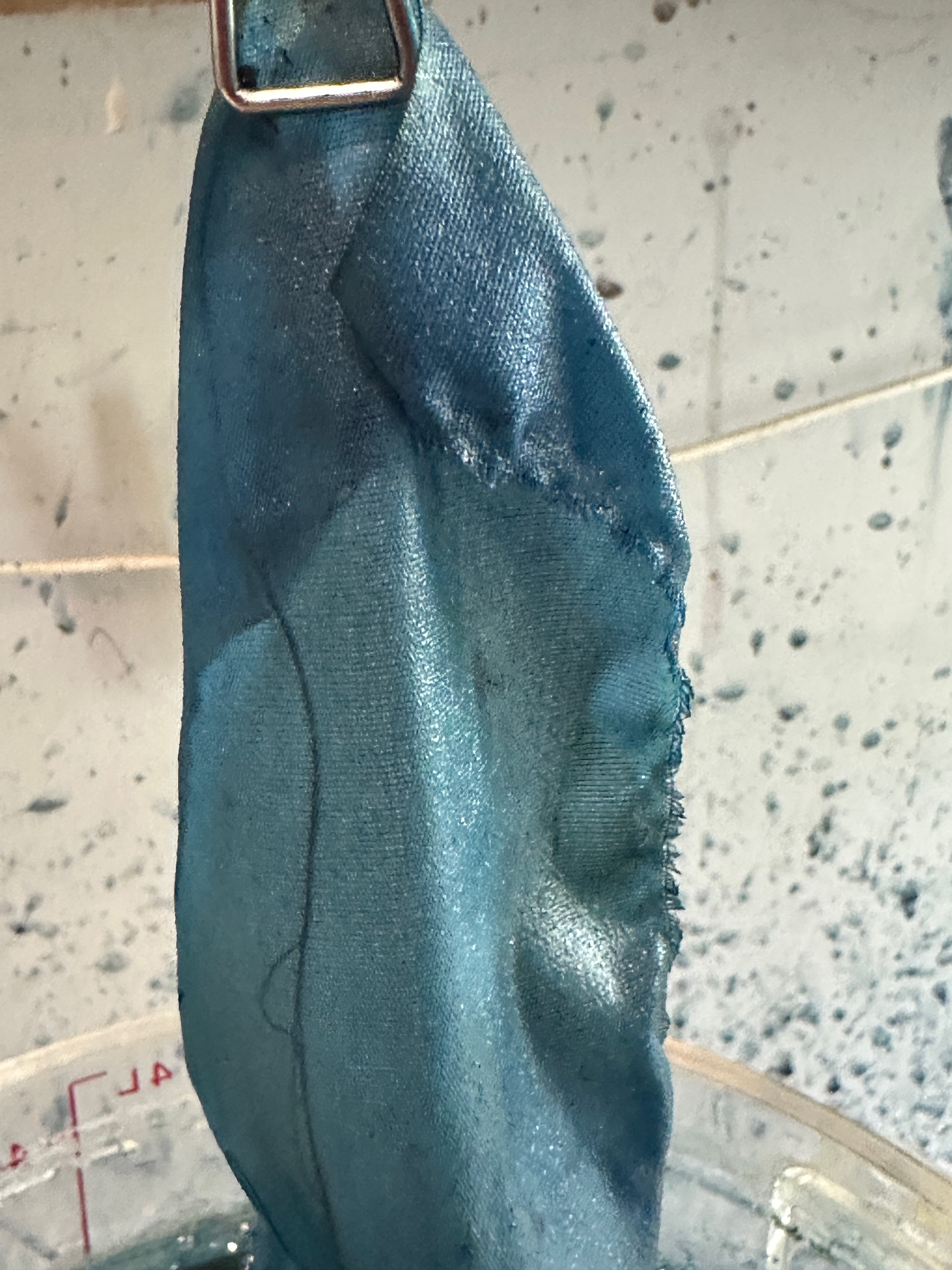
Two New Books

Two new books came my way last week. They have both captured my attention, focus and imagination and I wanted to share them.

Book #1
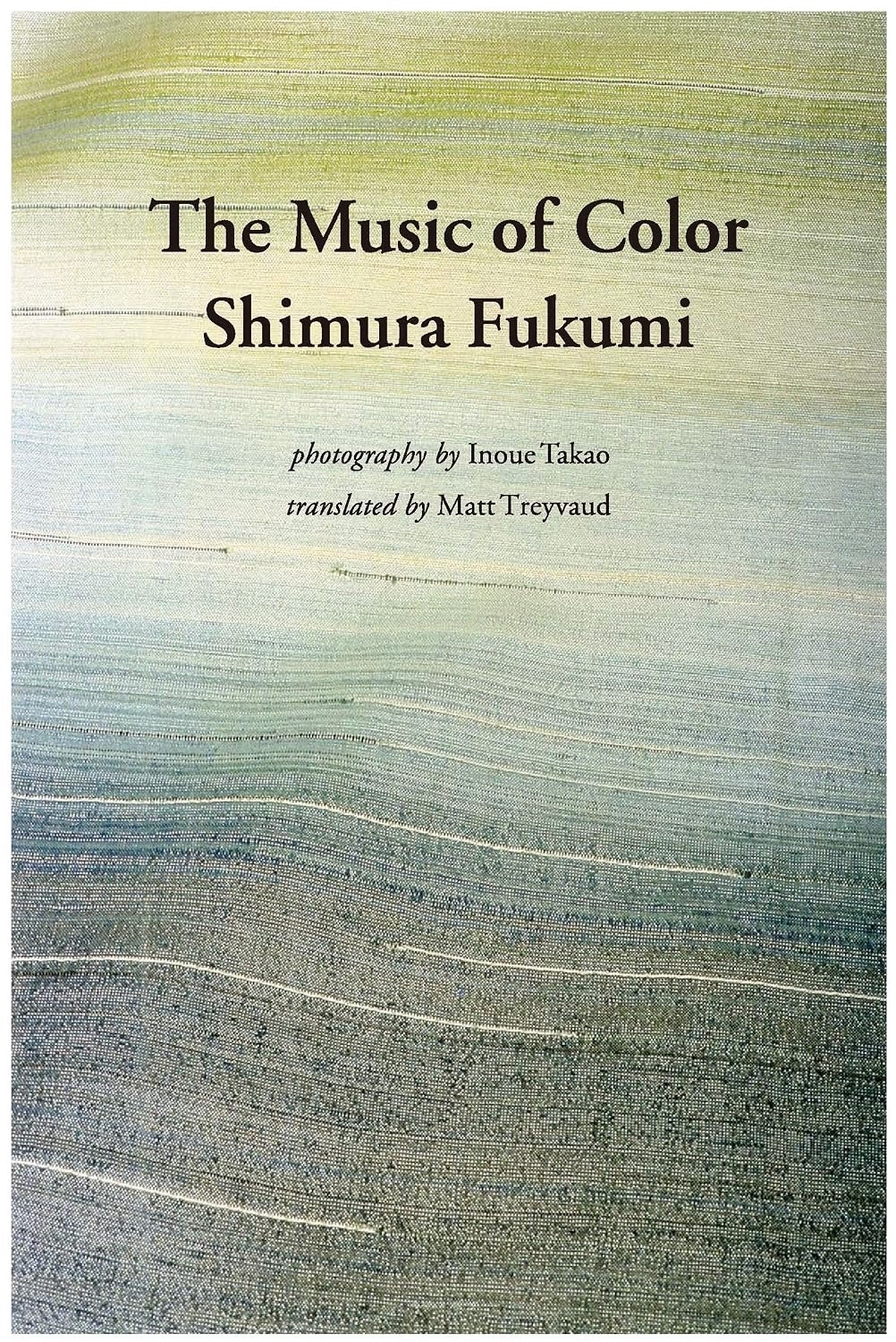
Years ago, when I was in Japan, I purchased two large books/catalogs of weavings made by the artist, Shimura Fukimi, a living Natural Treasure of Japan.  All the text was in Japanese but it was the images that drew me in: almost ethereal photos of woven cloth and color. These books have inspired me greatly over the years.

Much to my delight, Jori Johnson, a dear friend in Japan, sent me a book that she thought I would like: The Music of Color – by Shimura Fukimi and translated into English by Matt Treyvaud. As I began turning the pages of this book, I recognized the fabrics that illustrated the book throughout.  This was the artist whose work I had been admiring for years in those catalogs, but now with words that I could read.

The book contains beautiful images of the artist’s weavings but it was the text that most captured me. She spoke of natural dyes, plants, and the weaving process in words like a poem that I already knew on some level. 


“Sometimes people tell me about attempts at dyeing gone awry. I wanted this color…so I used that plant…but the result wasn’t what I expected…. The colors we receive are already there, within the plants. Our task is simply to bring them across to our side unharmed and give them somewhere to stay” 


“Weaving on a loom is sometimes like strumming a harp. Tones seem to ring out one by one as I bring each color in…it feels like improvising a song to a predetermined rhythm.” 
                                         

The Music of Color by Shimura Fukimi

I recognize those sentiments! and so many others in the book. Thank you Jorie for the gift giving, and thank you Shimura Fukimi for your amazingly, thoughtful words and weavings.

Book #2
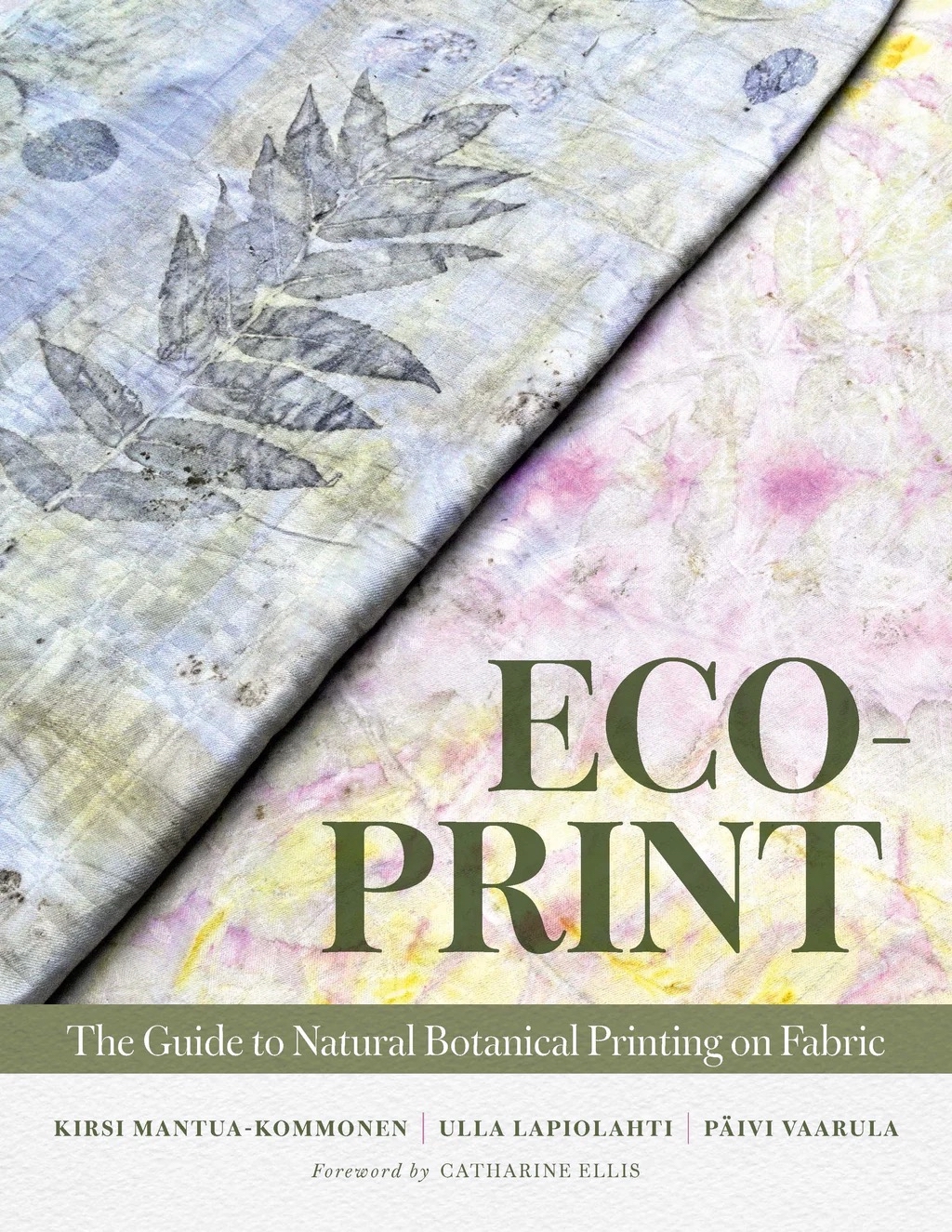
When my co-author, Joy Boutrup and I were contemplating doing a second edition of The Art and Science of Natural Dyes (Schiffer, 2018) one of the topics I really wanted to investigate was eco-printing. It’s not a process that I have had much success with and my attempts to learn more about it were often very frustrating. I purchased several books on the topic, though none of them seemed to unlock the key for me or give me much guidance. I made multiple samples, based on my own dye research,  in order to understand the interaction of plants and mordants but never really mastered the process.  I made satisfying tests but never a beautiful fabric.  I don’t think I was ever comfortable with the creative aspects of eco printing for my own work. I thought that perhaps Joy and I could at least bring some basic scientific observations to the technique, but ultimately we shelved the idea of doing another book. 
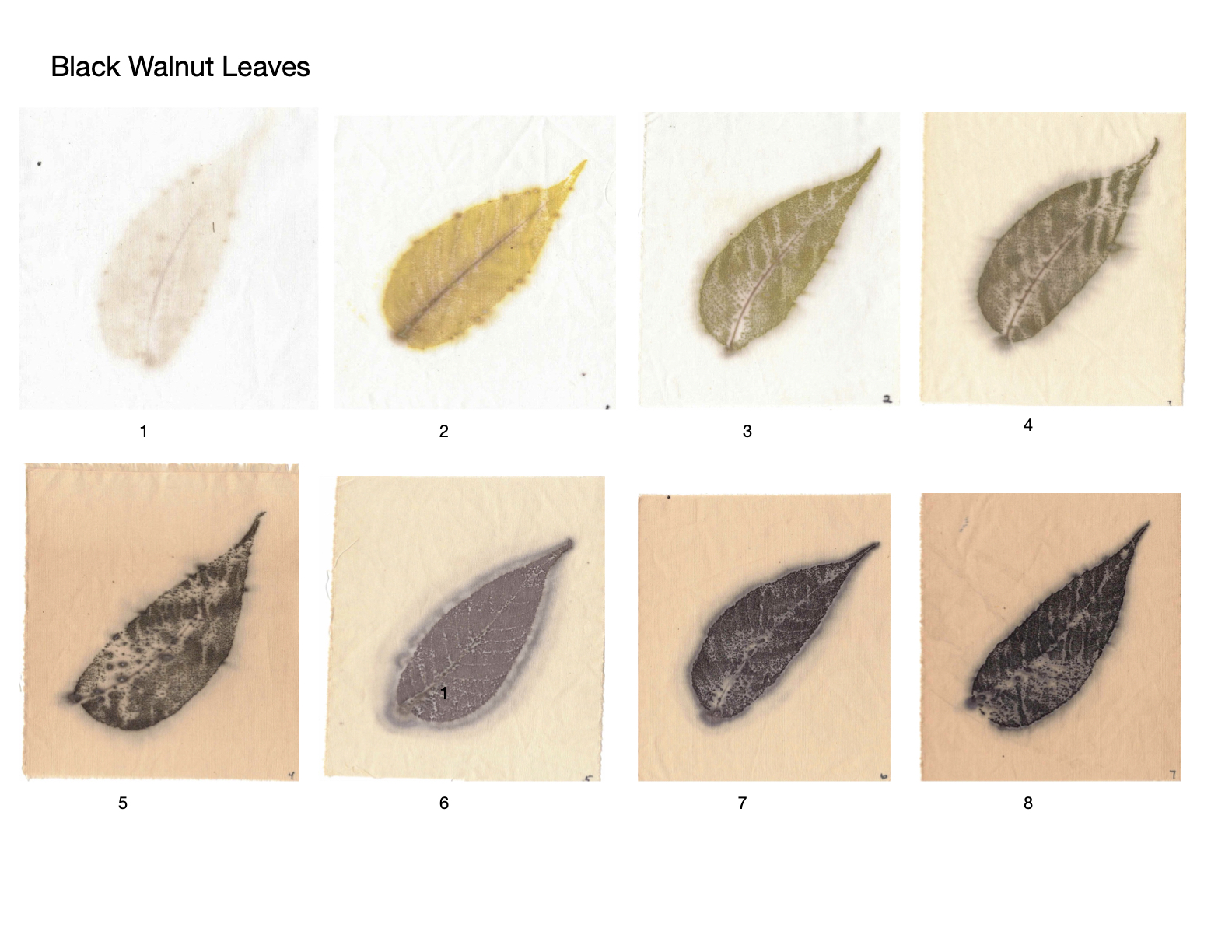

Some of my own tests with various printing mordants ( alum and iron recipes from The Art and Science of Natural Dyes), used with black walnut leaves and contact (eco) printing
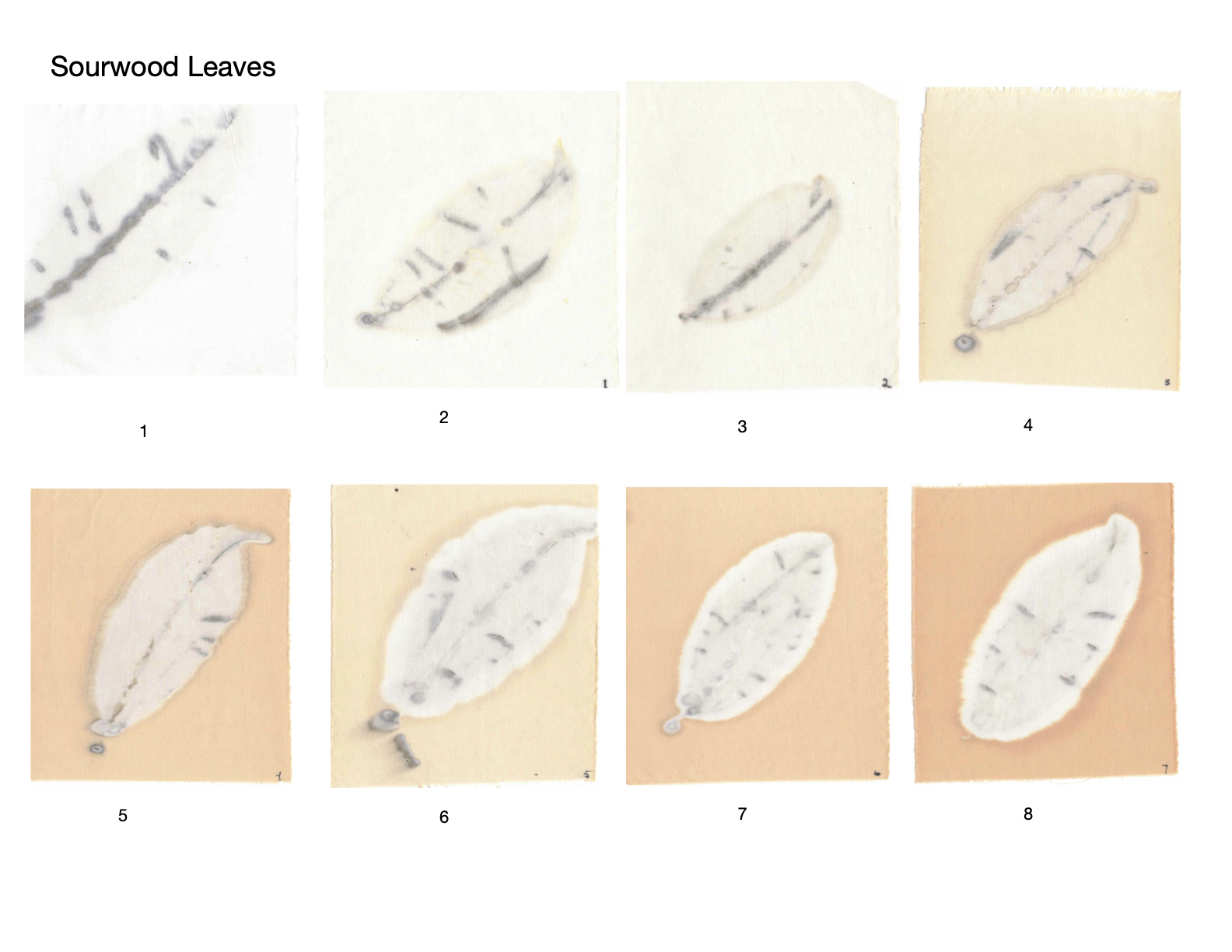
The same mordants as above but using sourwood leaves, which contain oxalic acid.

Then I had a message from Kirsi Mantua-Kommonen. She, and co-authors Ulla Lapiolahti and Paivi Vaarula were doing a book on eco printing and Schiffer would be publishing it. Would I be willing to read the draft? And possibly write a foreword for the book?

I had met Paivvi in a class that I taught many years ago and both she and Kirsi had studied with Joy Boutrup. 

After just a tiny bit of hesitation, I said yes, I would read it.

Wow, was I glad that I said “yes”! I was so impressed by what they had done.

The book begins by paying homage to those around the world who truly led the way and inspired a whole approach to using plants in textiles: India Flint, Terriea Kwong, Irit Dulman, Ellen Rikken, Alison Kelly, Outi Mäkelä, and Daniela Spinucci with a representative assortment of images.

Then the book dives into a clear and factual description of what really happens during the eco-print process including mordanting of both protein and cellulose, the selection of plants, tools, and processing. Beautiful images of eco printed cloth illustrate the text throughout. 

The authors make the following statement on page 14: 

“This is the book we wished existed when each of us dependently took our first baby steps in this novel technique.” 

That is EXACTLY the way I felt about natural dyeing when Joy and I began The Art and Science of Natural Dyes (Schiffer, 2019).

And Eco Print, The Guide to Natural Botanical Printing on Fabric is EXACTLY the book I wanted when I began my own experiments with Eco-printing!

This book will be an important resource for those wishing to “dig into” eco printing in a serious way. It can also be a great companion for those who want to understand the process, explore creatively,  and have some fun doing it.

Best wishes and best reading,

Catharine
A Visit to Green Matters Natural Dye Company

We headed out recently for, what has become, our annual trip to New England. I always try to include a stop at a “place of interest”. Last year I contacted Winona Quigley at Green Matters Natural Dye Company in Pennsylvania. She was very welcoming and I was pretty much in “awe” of what she was doing there and, as a result, didn’t make a single note, or take a single picture. 

This year, I arranged to stop by again, with the idea of documenting her operation a bit and sharing her story. 

Green Matters Natural Dye Company is a small scale dye house that uses natural dyes exclusively to dye garments for their customers.  

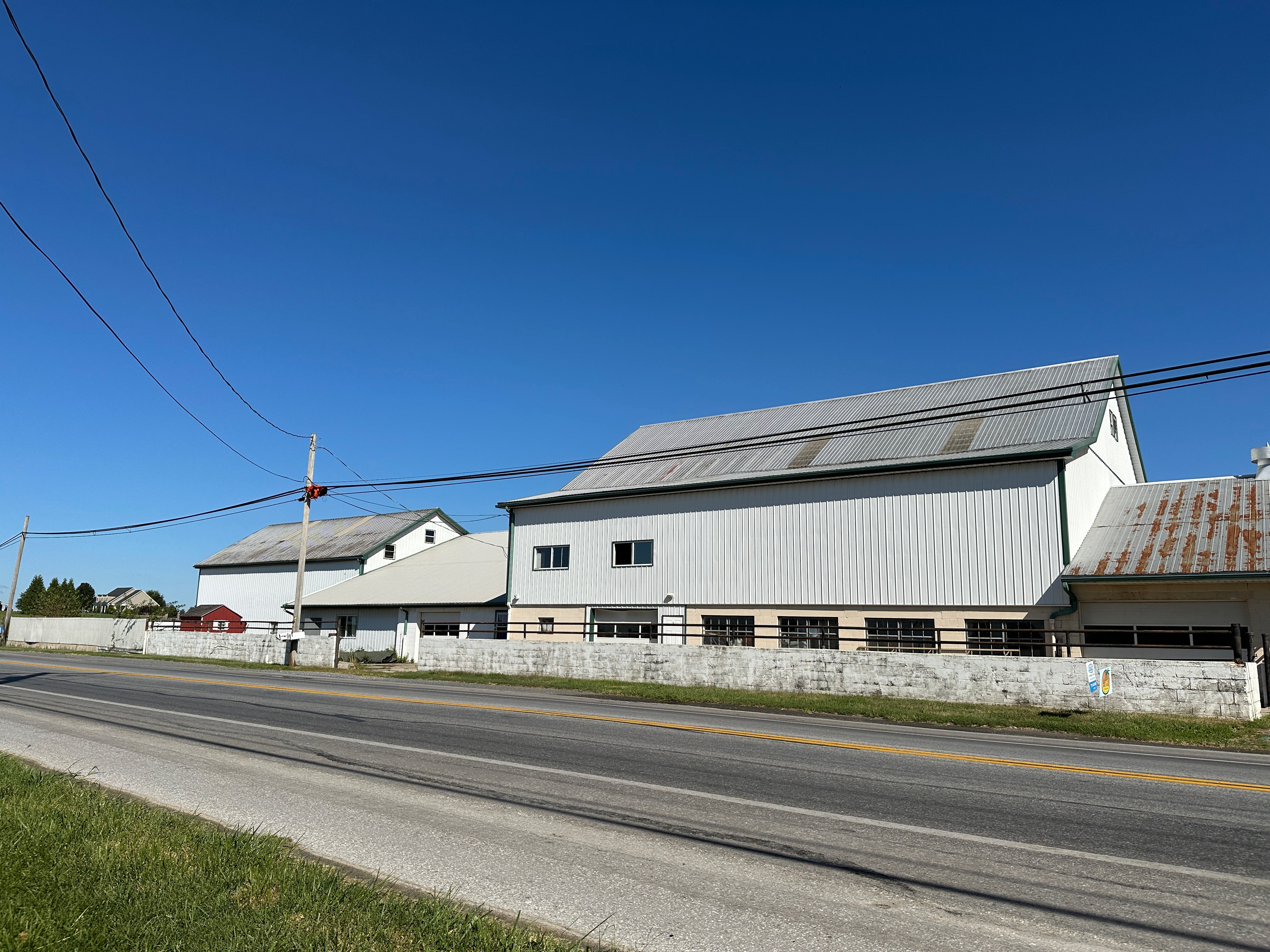
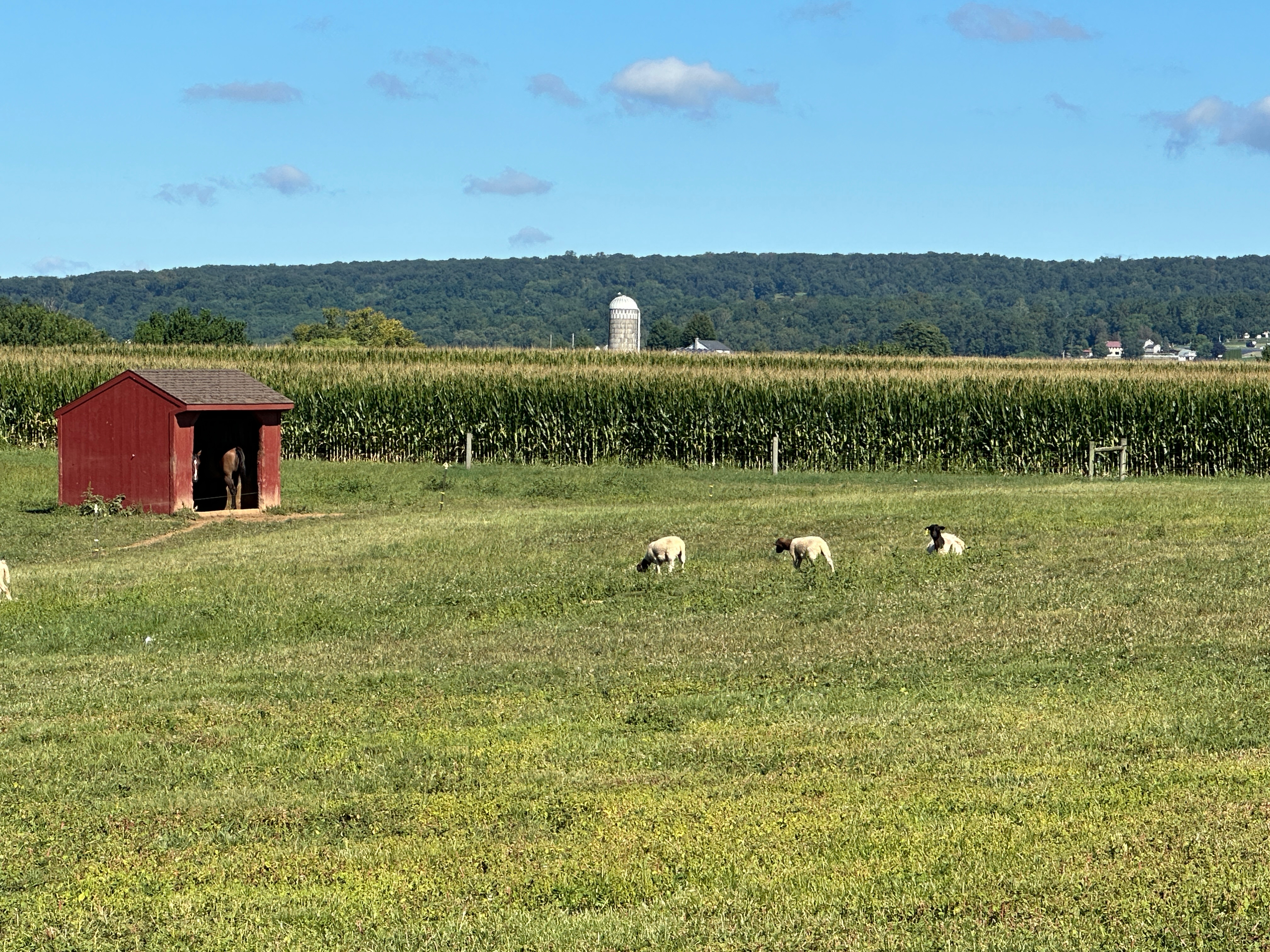
Winona Quigley, founder and owner of the company, studied fashion at Parsons but she has been thinking about sustainability and natural dyeing for a long time. When it came time for her to do a “capstone” project, she wanted to design a line of naturally dyed clothing. This eventually evolved into The Green Matters Natural Dye Company, which began its first dyeing in pots at Winona’s mother’s house in Lancaster County PA 10 years ago. The current location of the dyeworks is still in Lancaster PA, an area known for its beautiful farms and agriculture,  and where a horse and buggy is a common site on the road. But the dyeing here is all small scale industrial. 

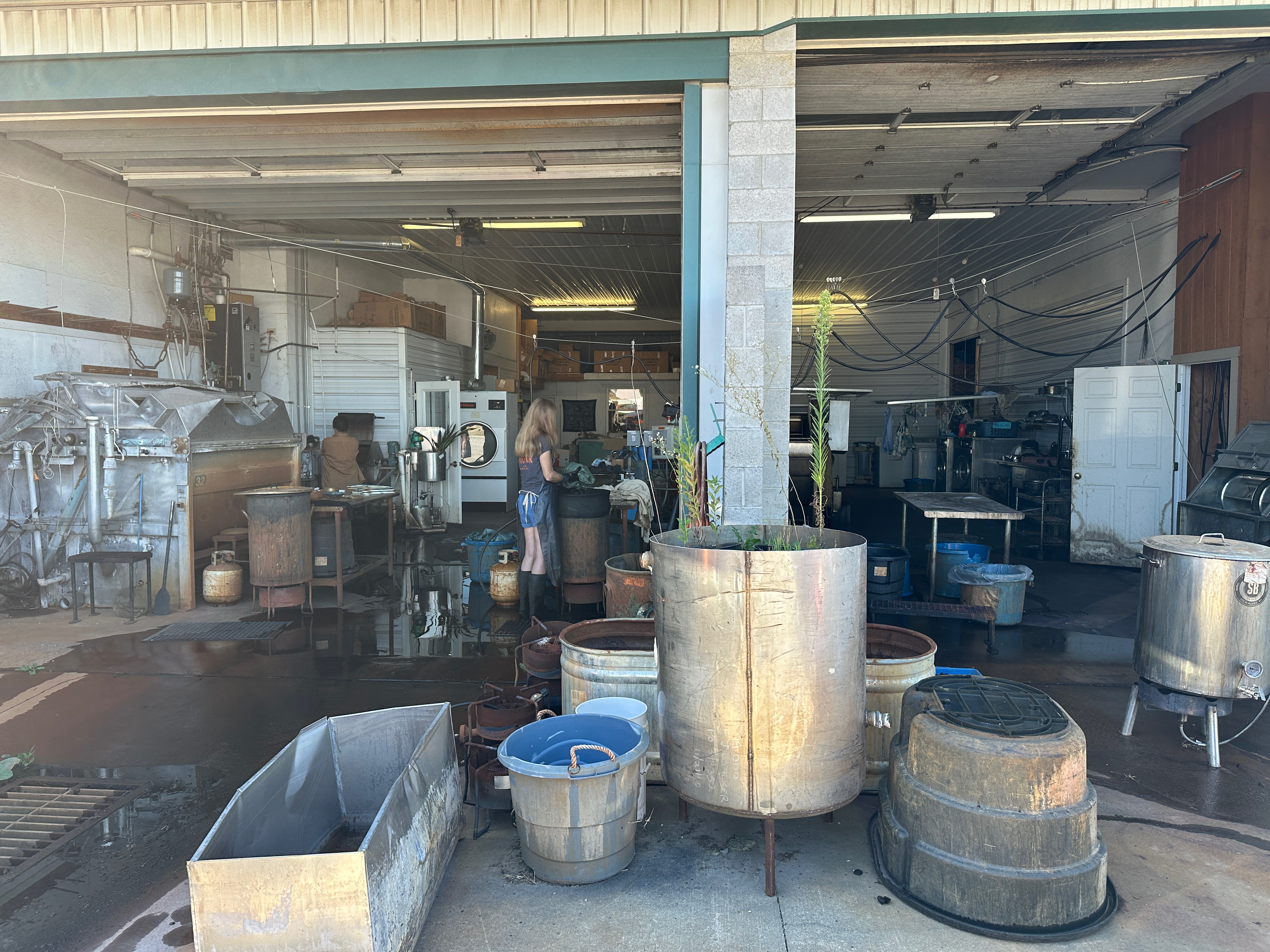
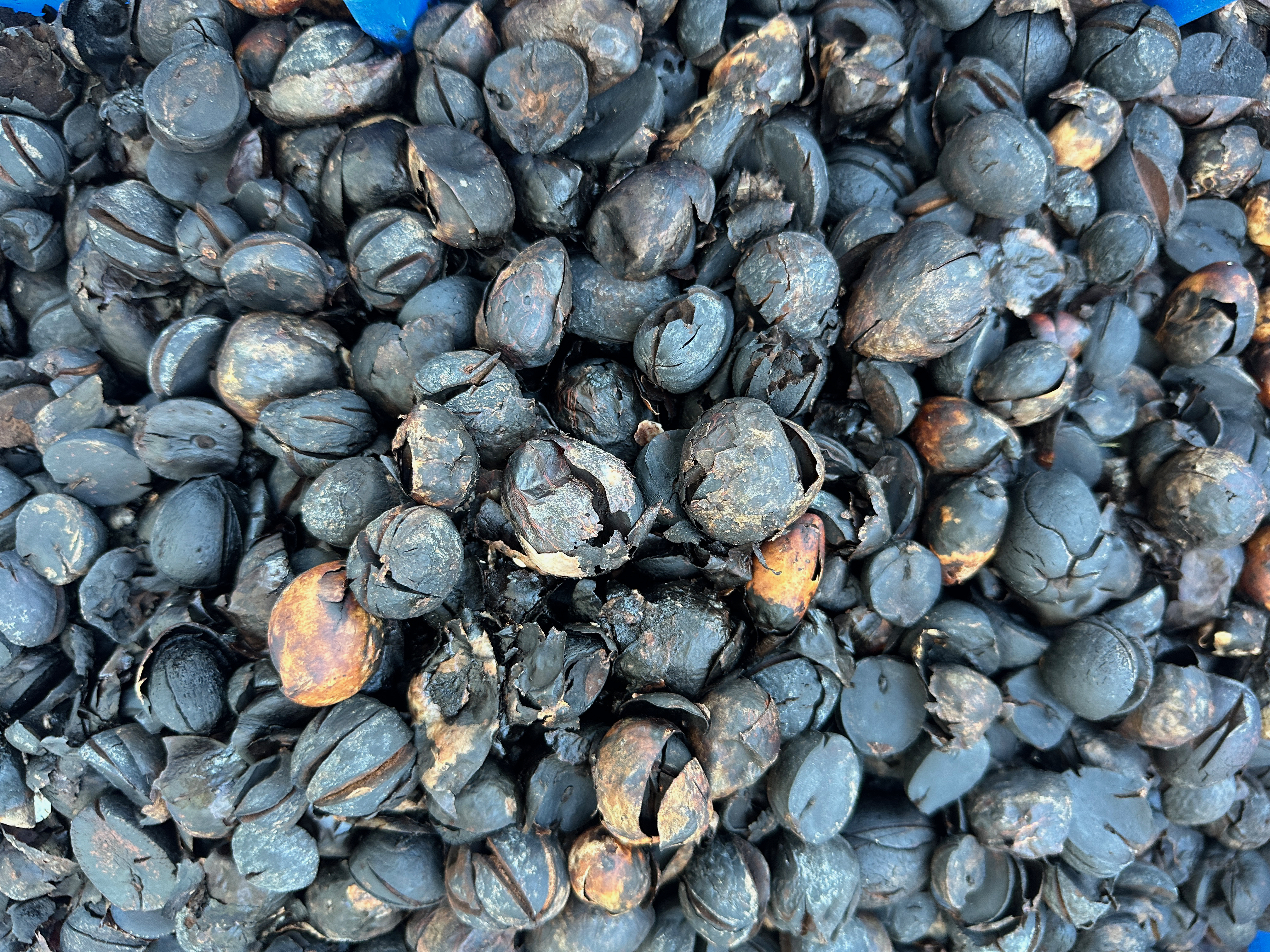
The Dye Works operation is approached from the back of the building and truly looks like a small industry.  The telltale sign that we had found the right place was the buckets of avocado pits, which looked like they’s been cooked to extract their color. 

Entrance to Green Matters Natural Dye Company

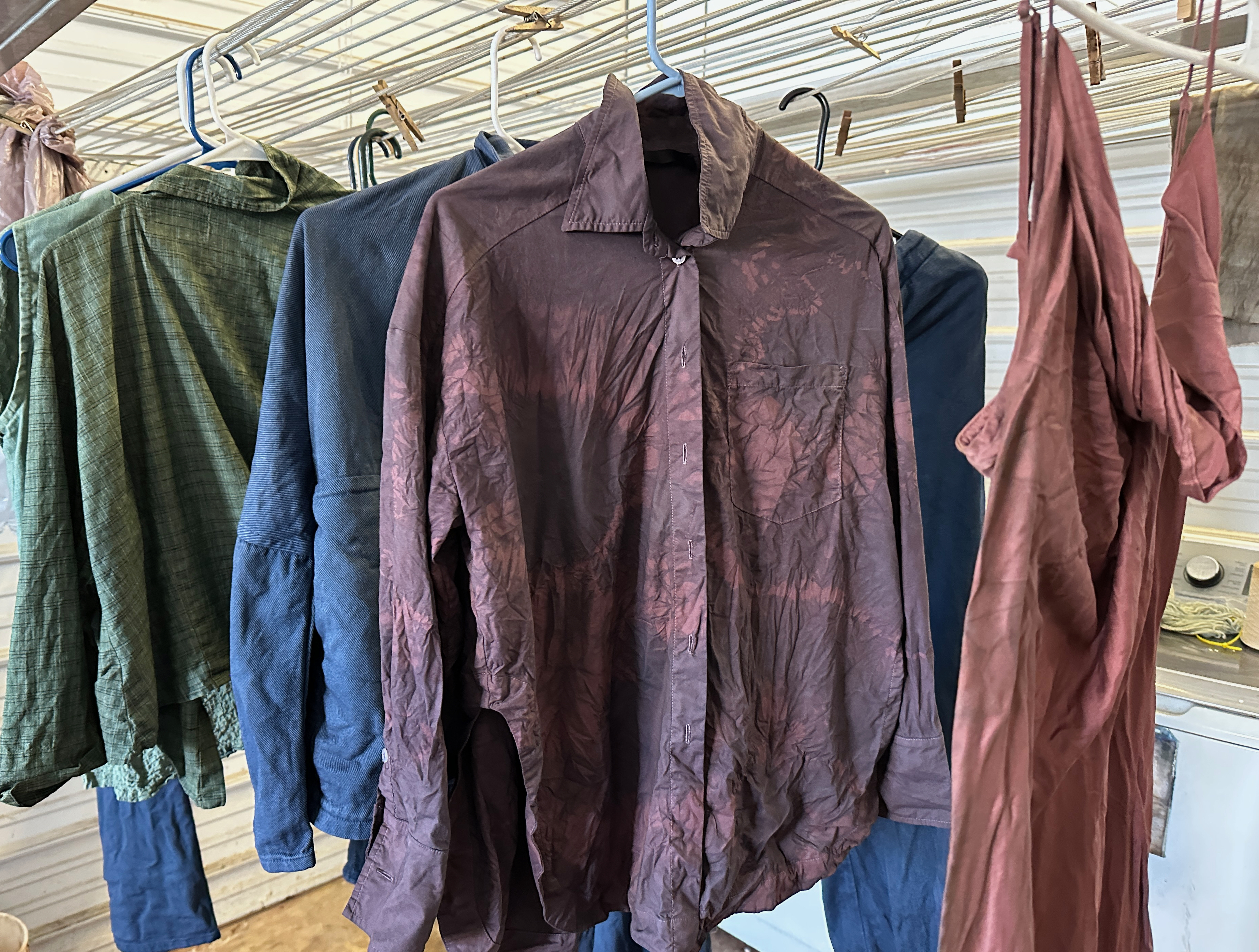
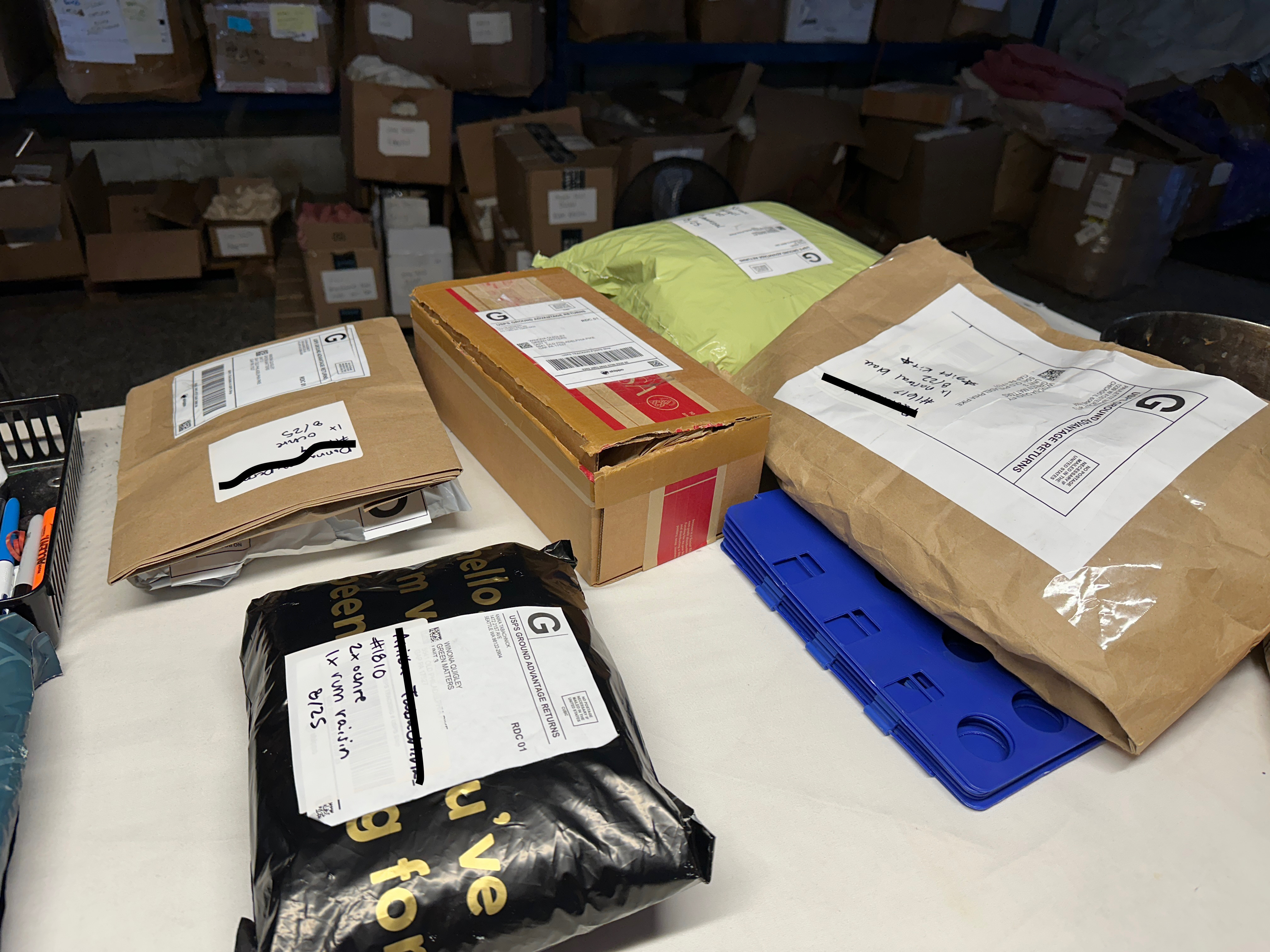
The company does some work with designers to develop small lines of custom natural colored garments but a very popular and important focus is the “Dye Color of the Month” program. Dye color blends are developed by the dye team and are most often an interesting mix of more than one dye plant (such as “rum raisin” made from cutch and madder or “ochre made from cutch and weld). Customers send in their own clothing (and even bed linens) which can be given a renewed life with a fresh, naturally sourced color. The dye team will unpack the garment, mordant when needed, and then apply the chosen dye color(s). Colors are sourced from both plant materials and natural dye extracts. Tie-dyeing is also an option, either in the initial garment dyeing, or as a more subtle post dye process. 

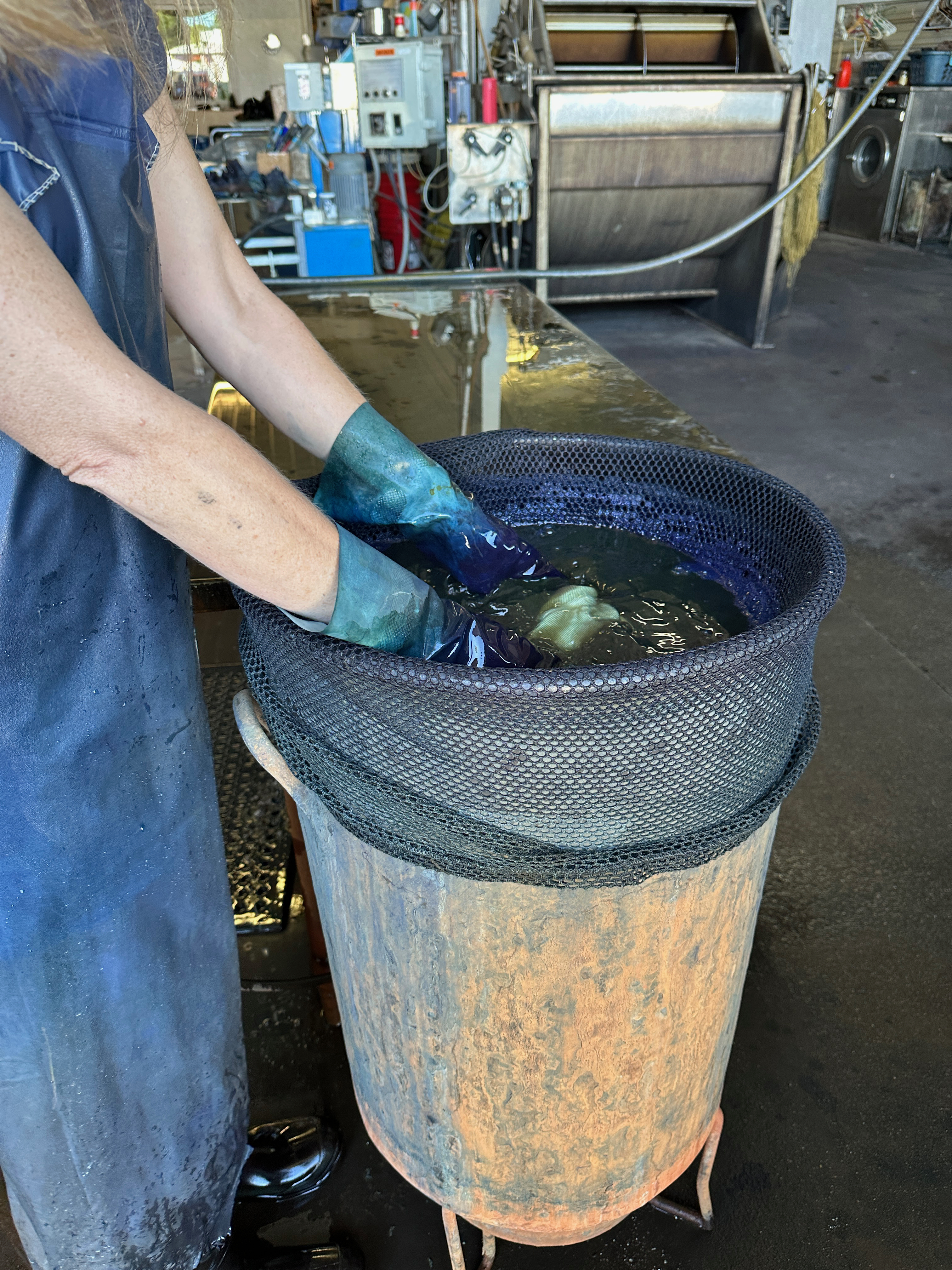
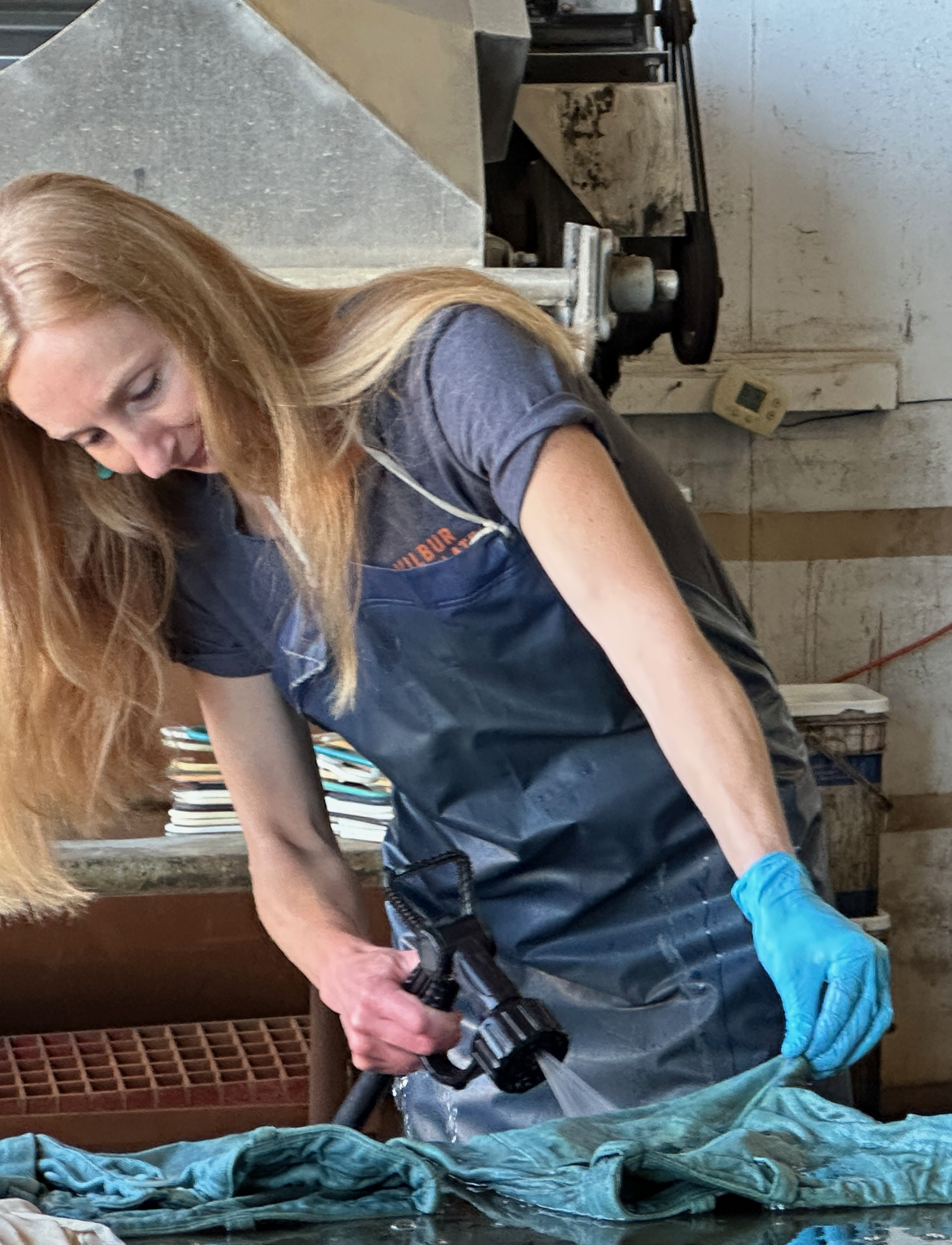
Each garment is dyed individually in indigo by Cara in an iron vat, and then carefully hosed off (with rain water) to rinse between immersions in the vat.  Color mixes often include very carefully dyed shades of indigo, followed by mordanting and subsequent dyeing.

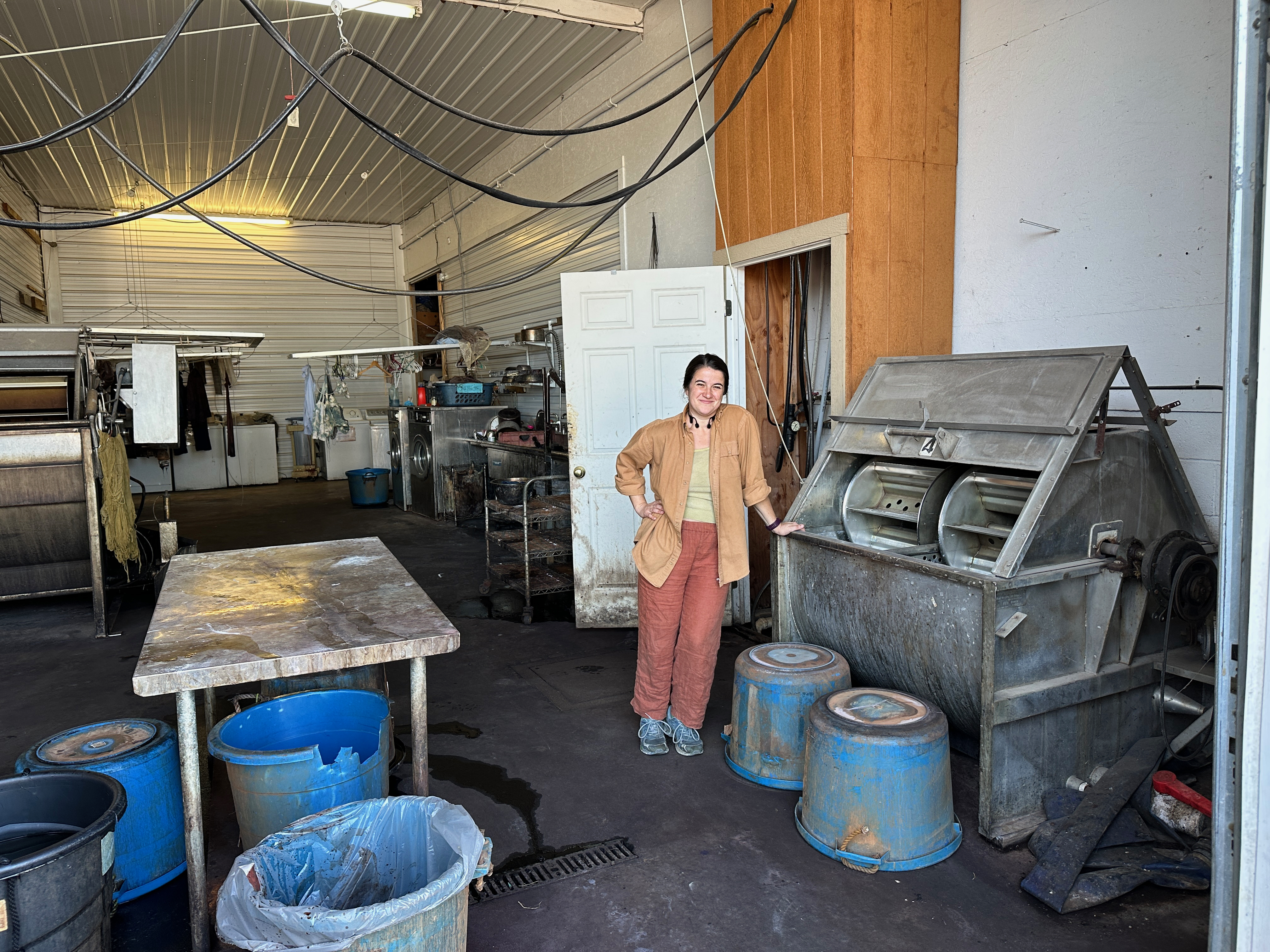
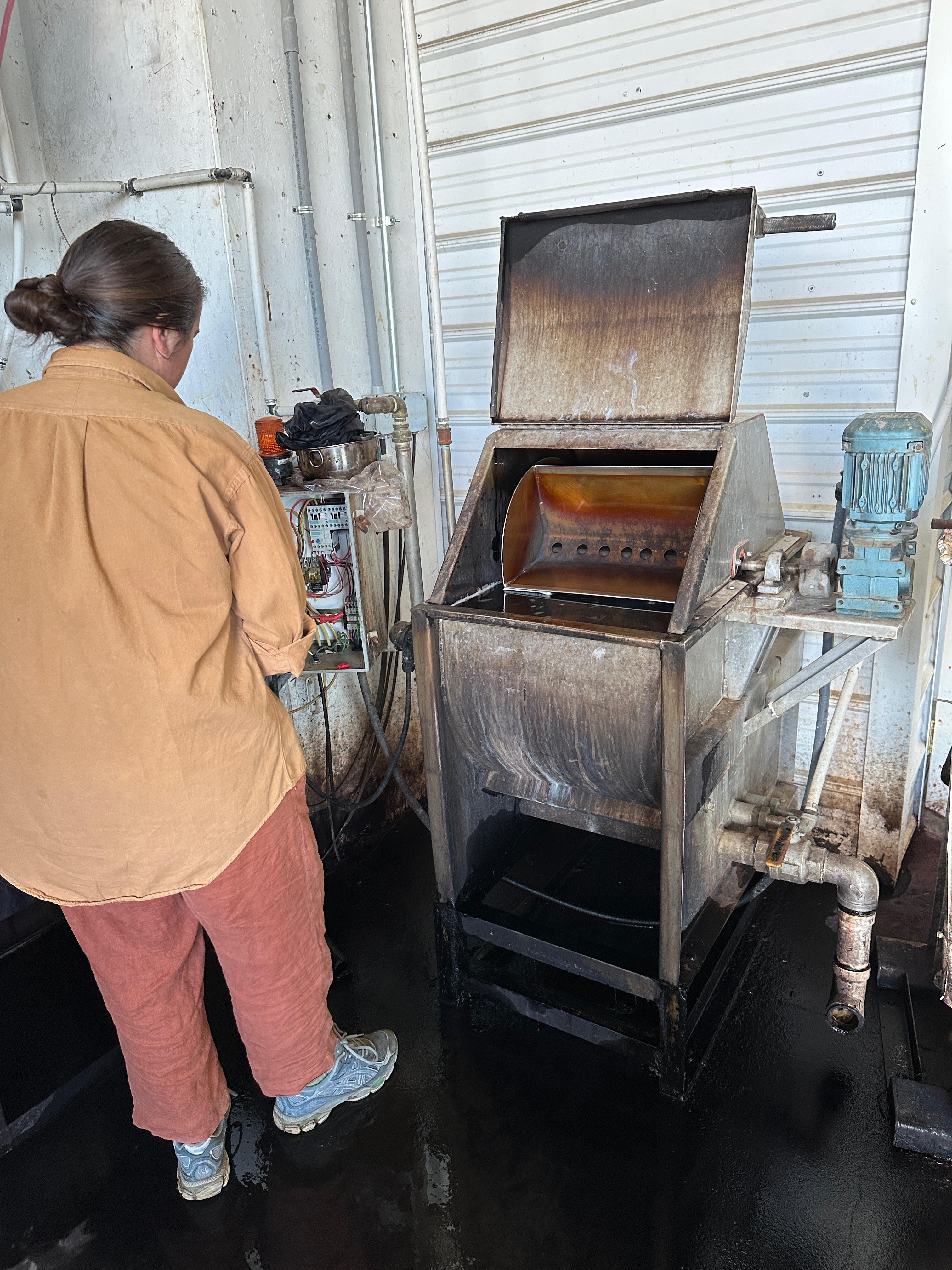
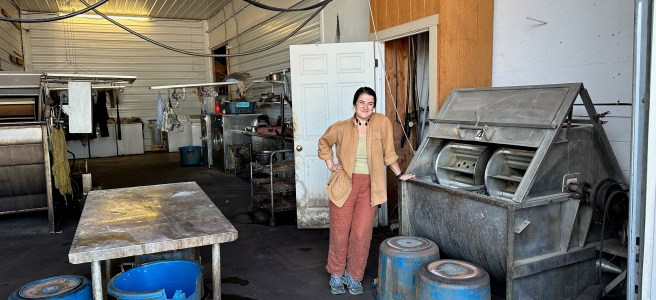
Mordants and mordant dyes are applied in small dyeing “machines,” like open top washing machines. These particular machines were custom fabricated for a small industry but were never used. Green Matters located them in storage when they were ready to expand from using dyepots at Winona’s mother’s home to their current location. The machines keep the garments in continuous motion, assuring the most even mordanting and dyeing possible. This kind of piece dyeing is impossible to do well in a studio dye pot. Much more sophisticated machines are used in industry today but these older machines do the job well. 

Winona Quiqley with one of the larger of the dye machines. The two paddles in the machine keep garments separated and moving evenly during the dying.

The concept of refreshing our old garments with color is smart. If you are like me, we all have too many clothes. Some of them are loved, and will continue to serve us with a little “tweaking”. You may have a well-made and cherished garment, but it’s faded, sun bleached, stained, etc. Perhaps its light color is not practical for gardening, farming, or working in the studio. Vintage garments can be given a new life with a contemporary color. Re-dyeing is making a conscious choice by countering the pervasiveness of fast fashion. I often re-dye garments myself but am always plagued by the issue of uneven dyeing, as I am limited to dyeing in pots.


As I was leaving, Winona was getting ready to make some electrical repairs to the small dyeing machine. We learn to do EVERYTHING in our studios!

Water used for dyeing is all rain water, collected in cisterns underneath the building. The dye machines, which are energy efficient, use the same motor as a dairy mixer, and are easily maintained in a farming community.  

Several things that truly impressed me:

  • Choice of dyes. Green Matters seems to consistently make good choices about which dyes to use for the most long lasting colors. And they are combined in beautiful ways.
  • The use of rain water. We all know that dyeing requires LOTS of water at every step. Doing this using a renewable resource not only saves $$ but is just smart!
  • The re-purposing of dye machines and the ability to keep them maintained and working. 

So, do consider sending a favorite natural fiber garment to Green Matters for a “facelift”. Far better that we promote a company such as this, than purchase yet another garment. Here is where to learn everything you need to know. Invest in a new color for yourself! The ordering process is easy, the choices are clear, and they will send you a mailing label to ship off your garment. And occasionally, Green Matters hold in-person classes, where perhaps you can dye your own clothing.

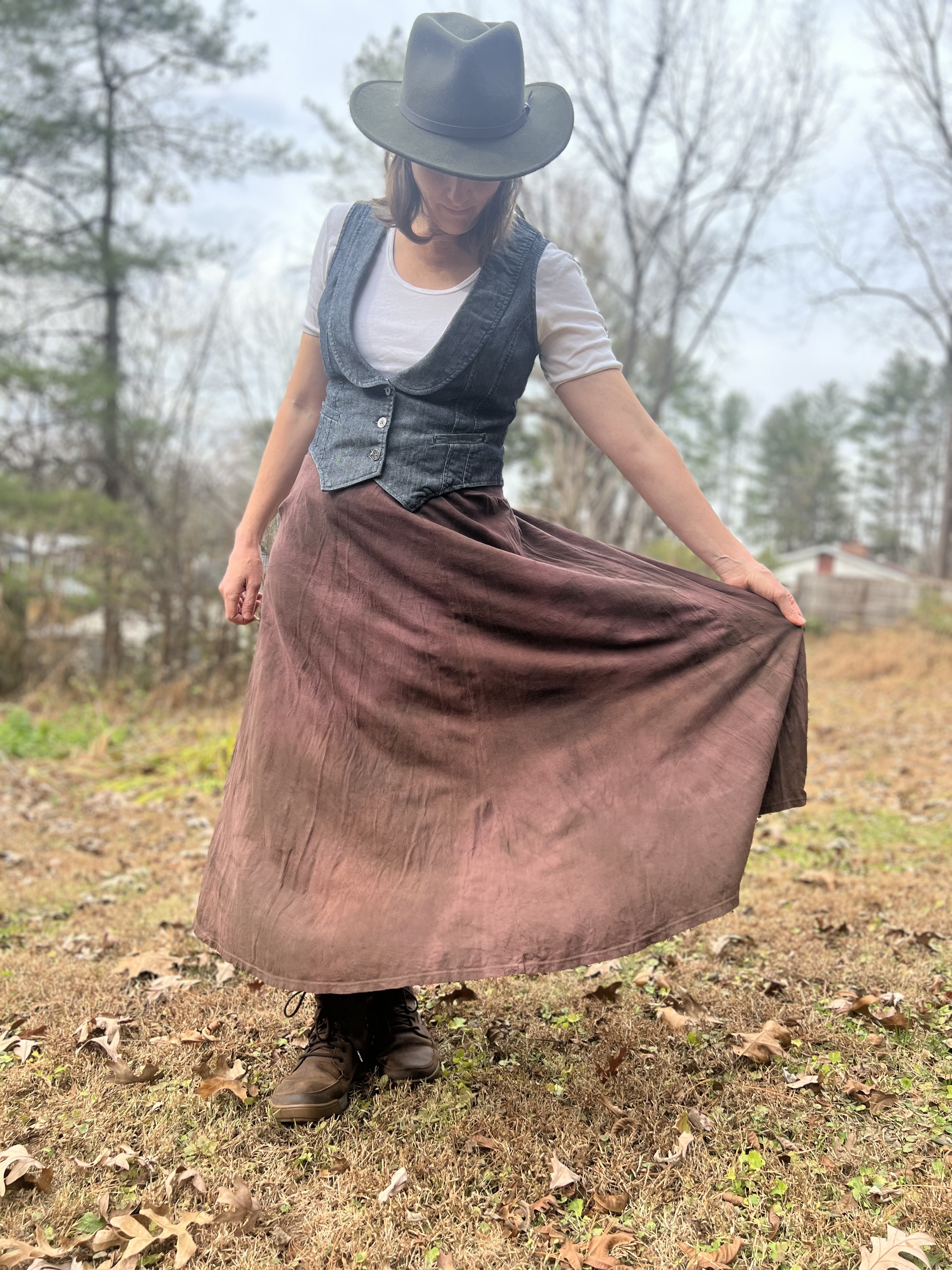
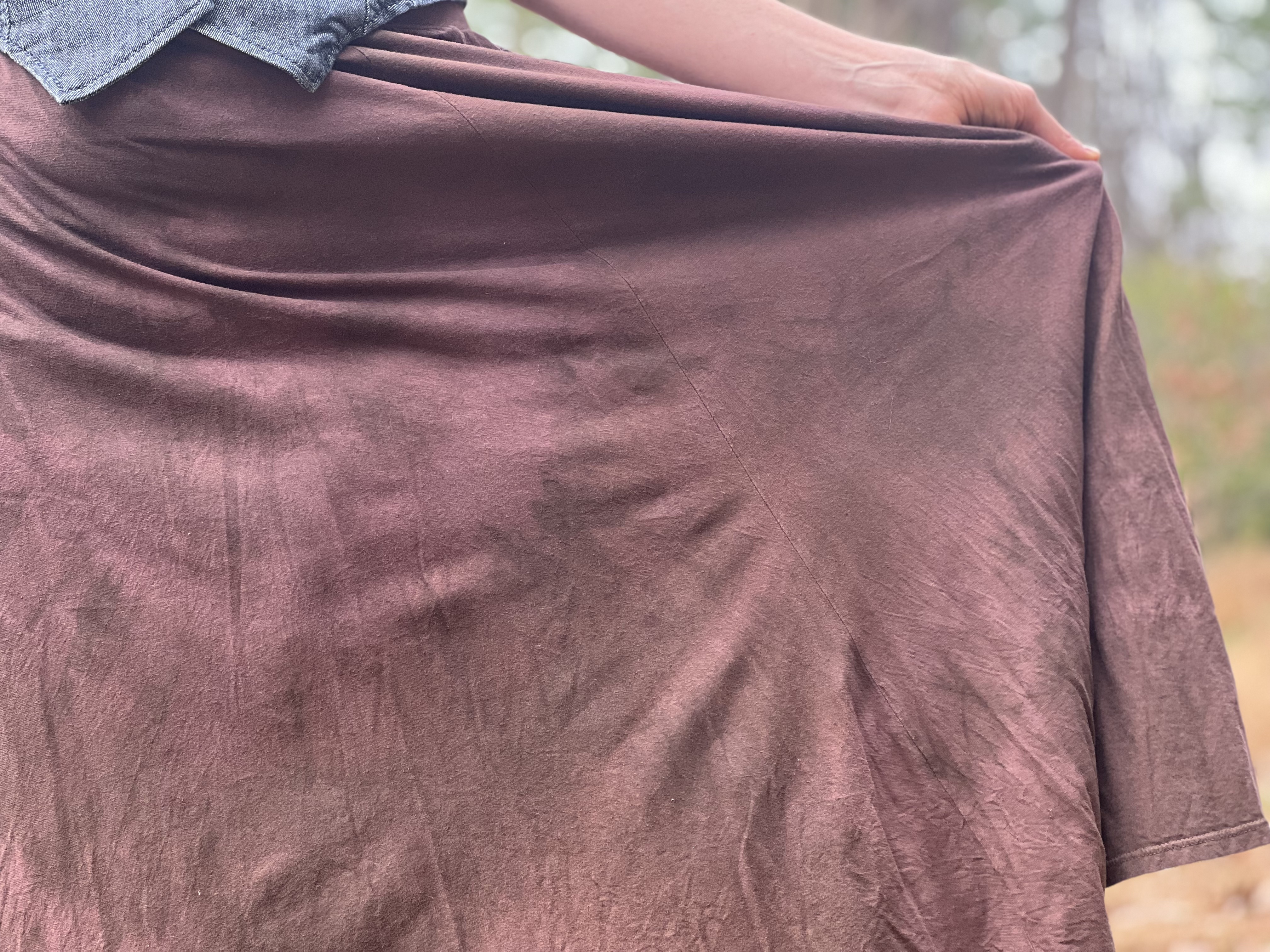
In order to truly understand how the process with Green Matters Dye Company plays out, I brought a favorite skirt of my daughters – it WAS pink and stained and thus she never wore it. She had asked me to dye it but I don’t have a pot big enough to even hope to get it dyed well. Green Matters Dye Company sent it back to us transformed, dyed in “rum raisin”, which is a combination of cutch and madder and lightly treated with iron in a “tie dyed” design, in order to further camouflage the original staining. This post dye treatment is an option. Now it’s a skirt that she loves to wear – and it even came with care instructions.

If you are looking for a sustainable gift for a special someone this holiday season, consider gifting a dye lot. It will come with all you need to ship off a garment and give it a new life.

Fermented Indigo Vat: Blog Post #3:   What IS Indigo Reduction? (explained to the best of MY ability)  

© Catharine Ellis, as posted to the blog: Natural Dye: Experiments and Results

The chemical formula of indigo is C16H10N2O2

Why is reduction called “reduction”?

In the early days of chemistry, oxidation was defined as a gaining of oxygen atoms, and reduction was a loss of oxygen atoms. Indigo was said to be reduced because it lost an oxygen atom. 

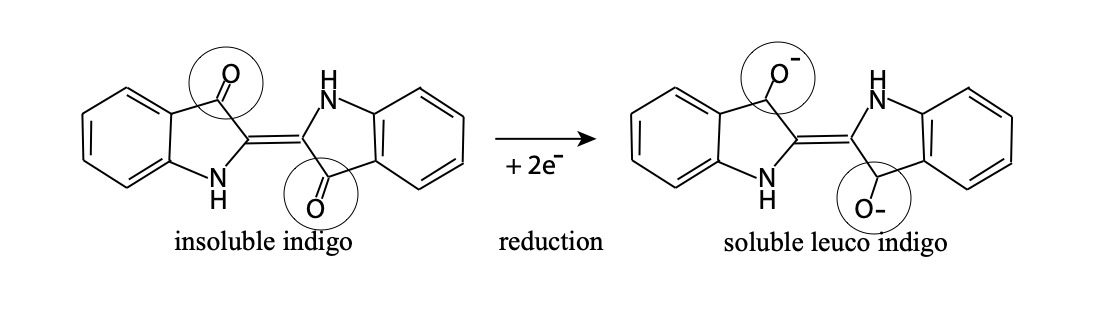
In actuality, there is no loss or gain of the oxygen molecule. The molecule of the insoluble indigo pigment contains double bonds to oxygen. During reduction, that molecule gains 2 electrons and, as a result, the bonds to the oxygen molecule become single bonds, thus making it soluble. This soluble indigo is referred to as leucoindigo or “indigo white”. Leucoindigo is the water-soluble yellowish molecule that soaks into and dyes the textile. 
This is one of the grand “mysteries” of dyeing and chemistry! 

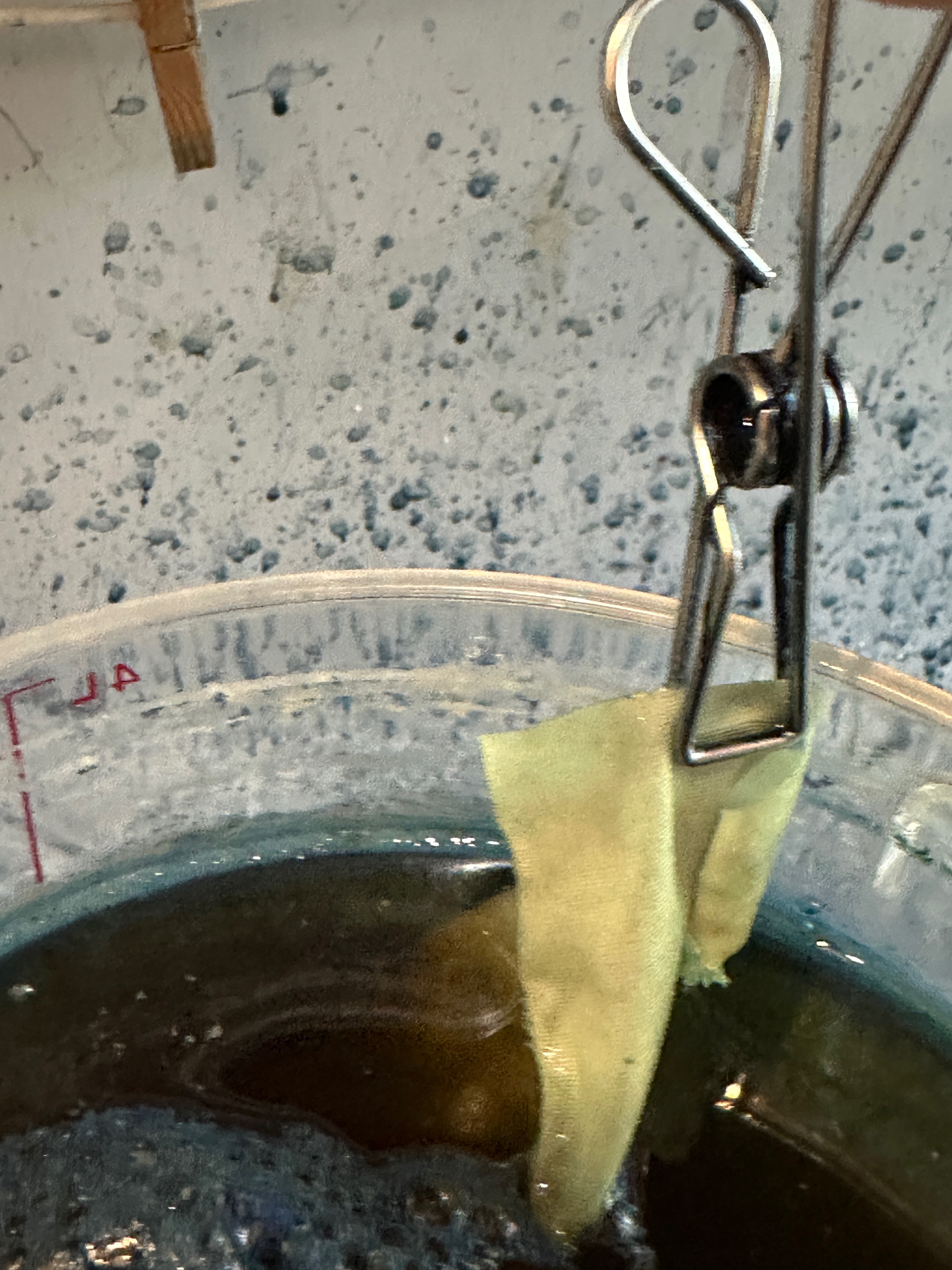
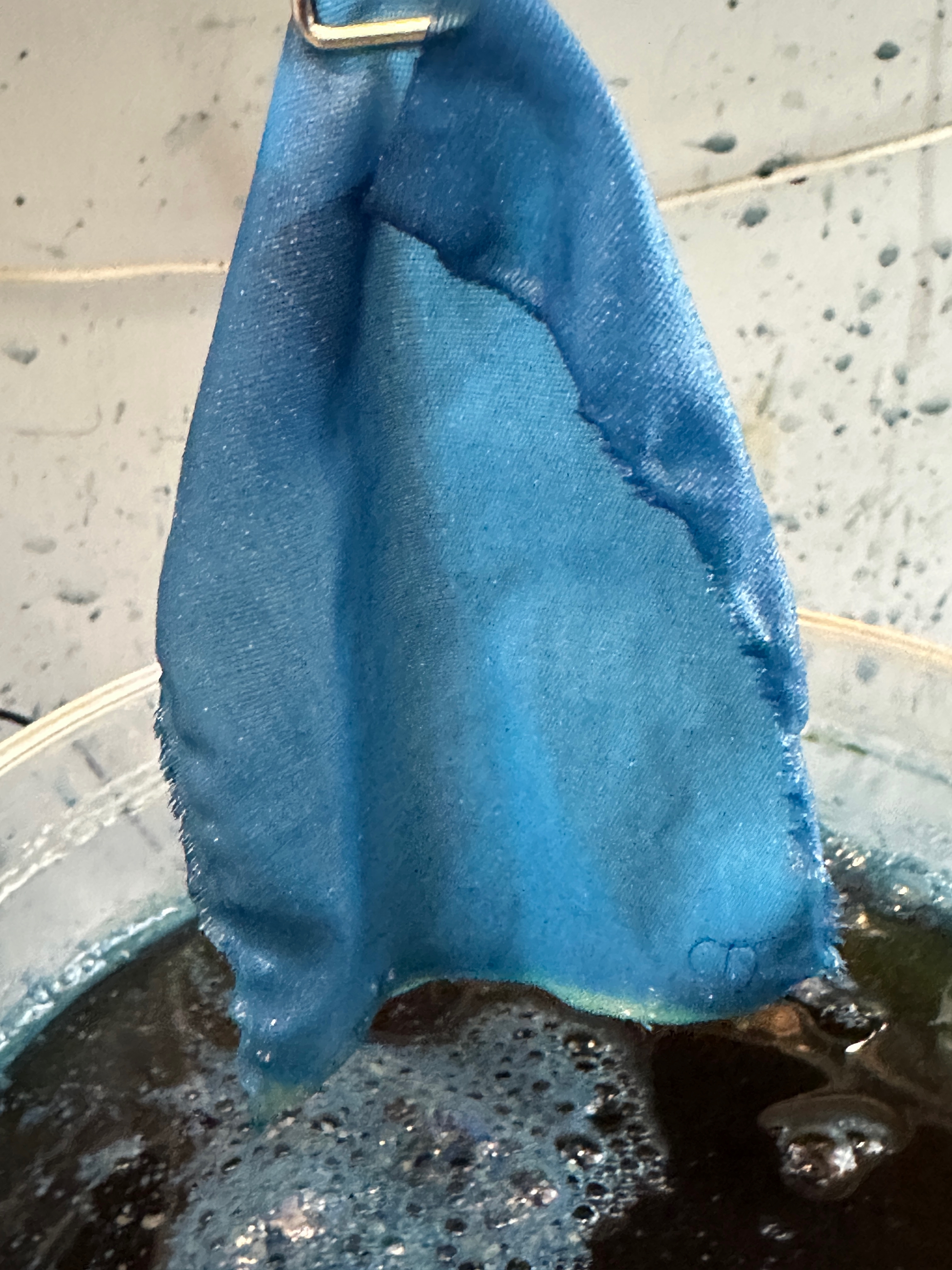
Leucoindigo is visible as the characteristic yellowish color below the surface of some vats. The leuco color of fermentation vat is more green than yellow. Once a textile is immersed in the vat it come out of that vat with the leuco color (yellow or green). The textile will turn blue through exposure to oxygen.  

What is Redox?
Redox is a chemical reaction that takes place between an oxidizing substance and a reducing substance. The oxidizing substance loses electrons in the reaction, and the reducing substance gains electrons. These two things happen simultaneously, and one does not happen without the other
 
All indigo vats require a high alkalinity (high pH) for proper functioning.  The plants, carbohydrates, sugars, or minerals used for the indigo vat are reductive, which means that they oxidize and give off electrons. In the alkaline environment of the vat, reduction is even stronger. 
The indigo molecule is forced to receive the two negatively charged electrons, which is a reduction; this influences the oxygen bonds of the indigo pigment, making the indigo molecule attractive to the positively charged portion of the water molecule. In this way the indigo becomes soluble (leucoindigo). Once it is soluble, the dye can penetrate the textile. After dyeing, oxidation (exposure to air) will once again make the indigo insoluble in the textile.